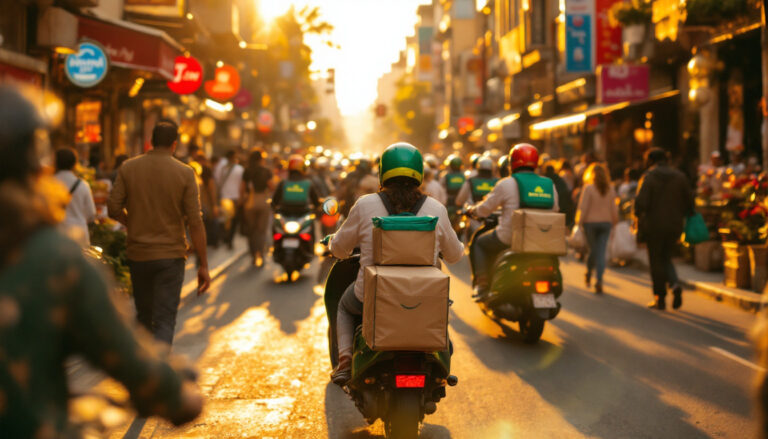
When the call to maghrib draws near and a family realises the rice is running low or the dates have run out, every minute counts. Across Egypt, Ramadan reshapes the rhythm of daily life — and with it, the way households shop. The short answer: during Ramadan, Egyptian grocery shopping shifts toward late-day and late-night peaks built around iftar and suhoor, and quick commerce has become a trusted companion for the inevitable last-minute essentials.
Key takeaways
- Shopping behaviour during Ramadan in Egypt concentrates around two moments: the hours before iftar and the late-night window leading into suhoor.
- Big stock-up trips still happen, but they are increasingly paired with small, fast top-ups for the items families forget or run out of.
- Quick commerce — groceries delivered in minutes from neighbourhood dark stores — fits the Holy Month naturally, sparing people a rushed trip when time is short.
- Serving the Ramadan peak is an operational challenge: demand compresses into narrow windows, so preparation, stocking, and timing matter enormously.
How shopping shifts during Ramadan in Egypt
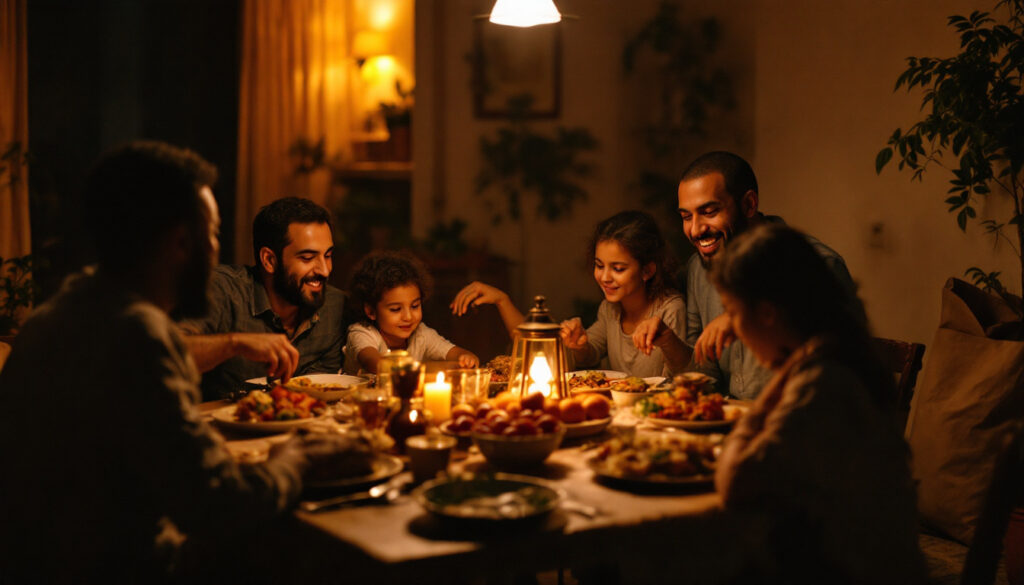
Ramadan is, above all, a month of togetherness. Families gather for iftar to break their fast at sunset, then many wake again before dawn for suhoor, the meal that carries them through the next day of fasting. These two anchors reorganise the entire day — including when, and how, people shop.
Timing built around iftar and suhoor
In ordinary months, grocery runs spread fairly evenly across daytime hours. During Ramadan, that pattern tilts. Demand tends to cluster in recognisable waves:
- The pre-iftar rush — the late afternoon hours when households finalise the evening table and discover what is missing.
- The post-iftar calm — a gentler stretch after the meal, when people rest, pray, or visit relatives.
- The late-night and pre-suhoor window — when shoppers prepare for the dawn meal or replenish for the day ahead.
This compression is one of the defining features of Ramadan retail in Egypt. The same volume of need is squeezed into fewer, sharper moments rather than spread across the day.
What ends up on the list
The Ramadan table has its own character. Households reach more often for staples that define the season — dates to break the fast, dried fruits and nuts, the ingredients for soups and rich main dishes, and the well-loved drinks that grace Egyptian tables through the month, such as qamar al-din, tamr hindi, and kharroub. Sugar, flour, ghee, and other baking essentials see heavier use as families prepare sweets and traditional dishes at home.
Planning ahead versus the last-minute top-up
Most Egyptian families approach Ramadan with a plan. The big shop — often done before the month begins or in its first days — covers the bulk: cooking oil, rice, pasta, canned goods, drinks, and the larger quantities a month of hosting demands.
Why top-ups are unavoidable
However careful the plan, real life intervenes. A relative drops by unannounced and the table needs to stretch. The yoghurt runs out the morning of suhoor. The recipe calls for an ingredient that slipped off the list. These small gaps are where the rhythm of Ramadan and the convenience of quick delivery meet most naturally.
- Forgotten essentials — bread, eggs, dairy, fresh herbs.
- Hosting surprises — extra drinks, dessert, or a dish to feed unexpected guests.
- Fresh-by-the-day items — produce and dairy that families prefer to buy in small, frequent amounts rather than stockpile.
How quick commerce helps households during the Holy Month
Quick commerce is built precisely for moments like these. If you are new to the idea, it is worth understanding what quick commerce is: groceries delivered in minutes from small, local fulfilment hubs — dark stores — placed inside neighbourhoods rather than on the city’s edge.
The right fit for a busy month
During Ramadan, the value of speed and proximity sharpens. A parent finishing iftar preparations does not want to leave the kitchen, fight traffic, and queue at a crowded store. A quick top-up that arrives in minutes lets the cooking continue uninterrupted and keeps the family together at a time when togetherness is the whole point.
- Less time lost — no trip across town for one or two items.
- More time for what matters — cooking, family, prayer, and rest.
- A calmer pre-iftar hour — fewer reasons to rush out as sunset approaches.
This is part of a broader story about building for the Egyptian consumer — understanding not just what people buy, but the moments and routines that shape how they want to shop.
The operational challenge of the Ramadan peak
For the household, a quick delivery feels effortless. Behind it sits a genuinely demanding operational puzzle, and Ramadan magnifies every part of it.
Demand that arrives in waves
Because need compresses into the pre-iftar and pre-suhoor windows, a quick-commerce operation cannot simply serve a steady stream of orders. It must anticipate surges, then ease back, then surge again — all within a single evening. Getting this right means thinking carefully about several moving parts:
- Stocking — making sure dark stores hold the right Ramadan staples in the right quantities before the rush begins, not after.
- Timing — aligning staffing and readiness with the predictable peaks rather than the daily average.
- Locality — keeping fulfilment close to where people live, so short distances absorb the pressure of concentrated demand.
None of this is unique to one company; it is the shared reality of anyone serving Egyptian households during the Holy Month. It is also one reason why Egypt is a promising retail market: a large, young, urban population with strong cultural rhythms creates clear, repeatable patterns that a well-run operation can serve with care.
Tips for a smooth Ramadan shop
A little foresight goes a long way toward a calmer month. A few practical habits:
- Stock the staples early. Buy the bulk items — oil, rice, drinks, canned goods — before or at the very start of Ramadan, when stores and your own schedule are less stretched.
- Keep a running list. Note items the moment you notice they are low, so the pre-iftar hour is not spent remembering what is missing.
- Plan for guests. Hosting is part of the season; a small buffer of drinks and dessert saves a scramble.
- Lean on quick top-ups for the fresh and the forgotten. Save the late-day stress and let a fast delivery handle the one or two things that slipped through.
- Shop the quieter windows. Where you can, place orders outside the sharpest peaks for the smoothest experience.
Frequently asked questions
How does grocery shopping change during Ramadan in Egypt?
Shopping shifts away from an even daytime spread toward concentrated waves around iftar and suhoor. Families typically do a larger stock-up trip near the start of the month, then rely on smaller, more frequent top-ups for fresh items and last-minute essentials throughout Ramadan.
Why is quick commerce useful during Ramadan?
Because time is tight in the hours before iftar and late at night before suhoor. Quick commerce delivers groceries in minutes from neighbourhood dark stores, so a forgotten ingredient or an unexpected guest does not mean leaving the kitchen or queueing at a crowded shop.
What are the most common last-minute items during Ramadan?
Everyday fresh essentials and Ramadan staples top the list: bread, eggs, dairy, fresh herbs and produce, dates, and the ingredients for traditional drinks and dishes. These are exactly the items families prefer to buy fresh and in small amounts rather than stockpile.
Ramadan is a month for family, generosity, and calm — not for last-minute dashes to the shop. Discover how Rabbit works.