Fast delivery and responsible delivery are often framed as opposites — as if speed must come at the planet’s expense. We do not accept that trade-off. The same operational discipline that makes quick commerce fast can also make it more efficient and less wasteful than the trips it replaces. Here is how Rabbit thinks about a greener last mile, and why sustainability and good operations point in the same direction.
Key takeaways
- Consolidating many small shopping trips into efficient deliveries can reduce overall travel and emissions.
- Short delivery radiuses from neighbourhood hubs favour low-emission modes like bikes and scooters.
- Smarter demand forecasting cuts food waste by stocking closer to real need.
- Efficiency and sustainability reinforce each other — less waste is also better economics.
The hidden footprint of the trips we replace
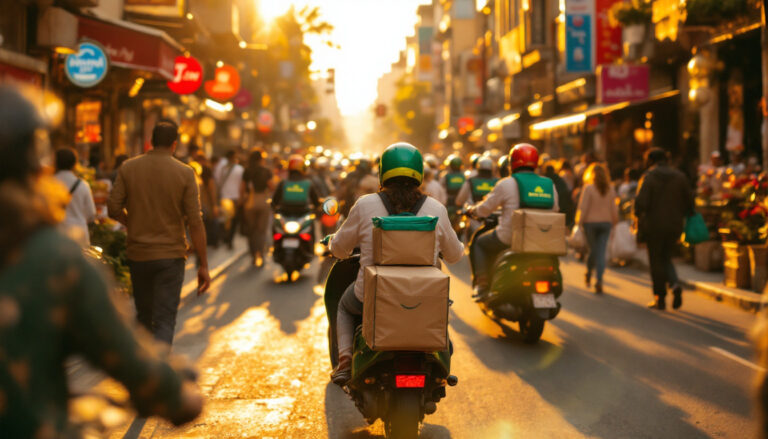
It is easy to picture delivery as added traffic on the road. But every order delivered also represents trips that did not happen — individual journeys to the store, often by car, each carrying a single household’s basket. When a platform consolidates demand and fulfils many orders from one nearby hub along efficient routes, the total distance travelled per basket can fall. The right comparison is not “delivery versus nothing,” but “delivery versus everyone driving themselves.”
Short radius, lighter modes
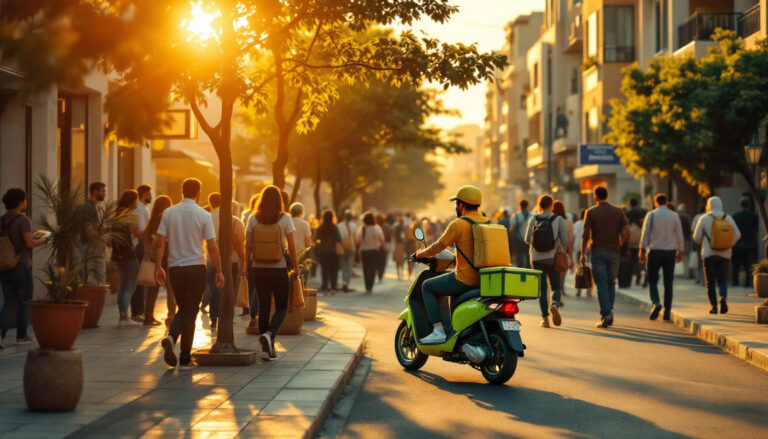
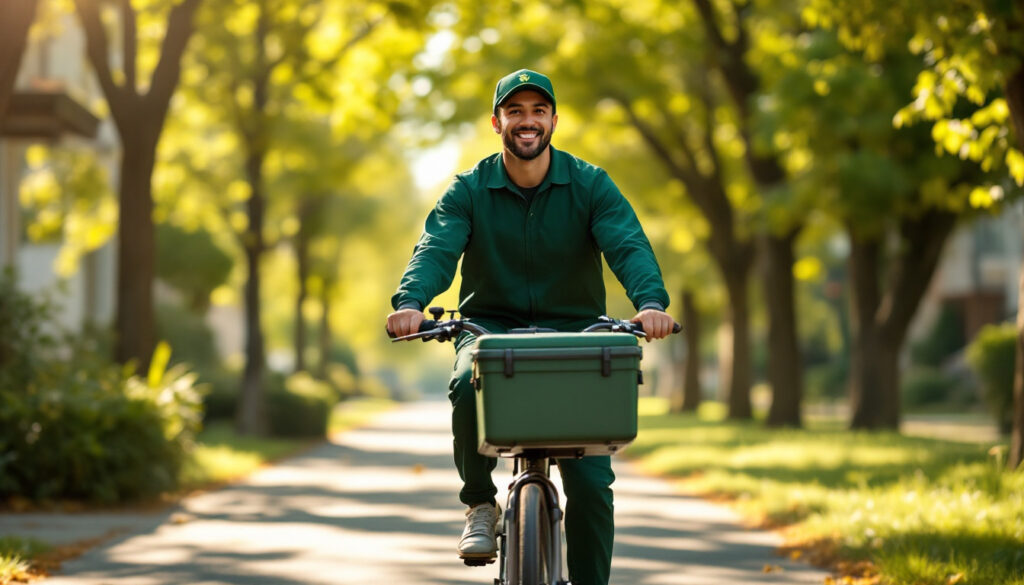
Because Rabbit fulfils orders from dark stores placed inside the neighbourhoods they serve, delivery distances are short by design. Short distances make light, low-emission modes — bicycles and scooters — practical and efficient. A model built on proximity, the same proximity that makes delivery fast, also makes lighter, cleaner transport the natural choice. We explain that proximity-first design in inside the dark store.
Cutting waste at the source
Some of the largest environmental gains in grocery are not on the road at all — they are on the shelf. Food waste is a major contributor to the sector’s footprint, and much of it comes from overstocking perishable goods that go unsold. By forecasting demand accurately and replenishing to real need, Rabbit aims to keep less product sitting idle and less of it going to waste. Better forecasting is good for the planet and good for the business at the same time — a connection we detail in how Rabbit uses AI.
Efficiency and sustainability are the same goal
This is the core of our view: in quick commerce done well, the sustainable choice and the efficient choice are usually the same choice. Shorter routes save fuel and time. Accurate stocking saves waste and money. Consolidated trips reduce both cost and emissions. A company that takes its operations seriously is, almost by definition, reducing the resources consumed per order. We treat that discipline as a competitive advantage, as described in why speed is a moat.
A direction of travel
Sustainability is a journey, not a badge, and there is always further to go — in fleet choices, packaging, and waste reduction. Our commitment is to keep pushing the efficiency of every order, because that is where genuine, durable environmental progress lives. Doing right by customers, by the business, and by the cities we operate in does not have to be three separate goals.
Frequently asked questions
Is grocery delivery better or worse for the environment than shopping in person?
It depends on how it is done. Consolidating many orders into efficient routes from a nearby hub can reduce total travel compared with many individual car trips to the store — especially when light, low-emission vehicles are used.
How does Rabbit reduce its environmental impact?
By fulfilling from neighbourhood hubs that keep delivery distances short, favouring low-emission delivery modes, and using accurate demand forecasting to cut food waste at the source.
Does reducing waste also help the business?
Yes. Stocking closer to real demand means less spoilage and lower cost, so sustainability and sound economics move together rather than in conflict.
See how efficient instant delivery works — explore Rabbit.